Solar energy is rapidly becoming one of the most reliable and cost-effective sources of electricity for homes and businesses. With rising electricity costs and increasing awareness about clean energy, more people are switching to solar power systems. However, before installing a system, it is important to understand the types of solar panels available in the market.
At Unisun Power Solutions, we believe that an informed customer makes the best investment. This guide will help you understand the different types of solar panels, their features, benefits, and how to choose the right one for your needs.
Why Solar Panels Matter
Solar panels are the heart of any solar power system. They capture sunlight and convert it into electricity that can power homes, offices, and industries. The efficiency, cost, and performance of your solar system largely depend on the type of panel you choose.
Selecting the right panel ensures:
Maximum energy generation
Lower electricity bills
Faster return on investment
Long-term system durability
1. Monocrystalline Solar Panels
Monocrystalline solar panels are considered the most efficient and premium category of solar panels. They are made from a single crystal structure of silicon, which gives them a uniform black appearance.
Key Features:
Efficiency: 18% to 23% (highest among all types)
Long lifespan of 25–30 years
High performance even in low sunlight
Compact design requiring less space
2. Polycrystalline Solar Panels
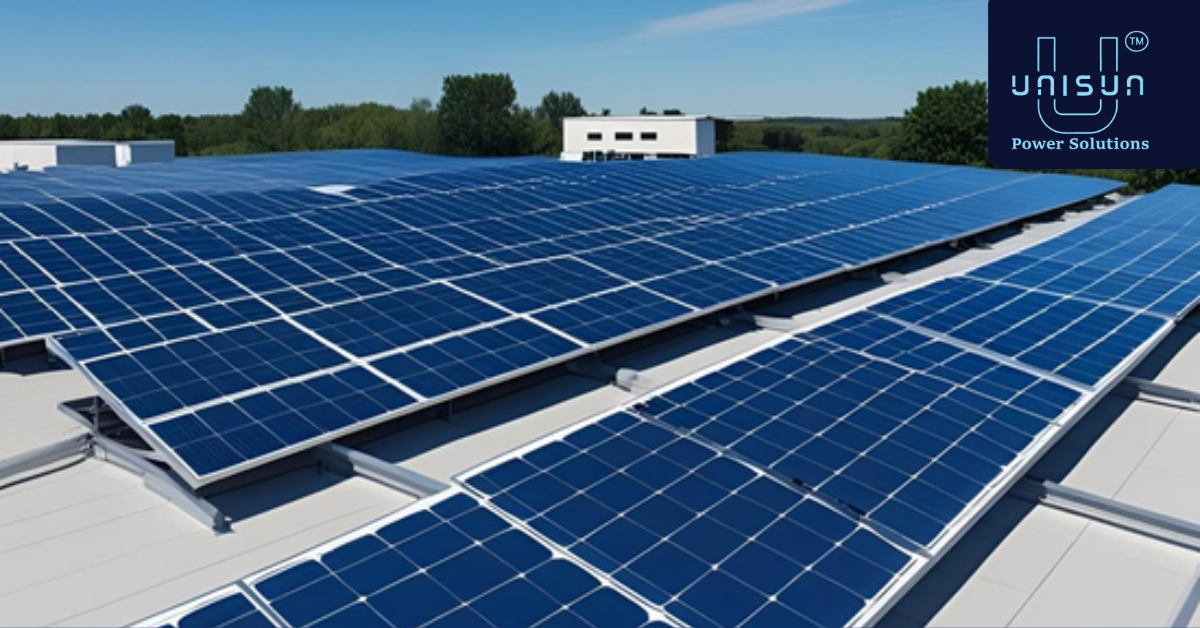
Polycrystalline panels are made from multiple silicon fragments melted together. They have a blue, slightly grainy appearance.
Key Features:
Efficiency: 15% to 18%
Lower cost compared to monocrystalline panels
Moderate performance in sunlight conditions
3. Thin-Film Solar Panels
Thin-film solar panels are created by depositing photovoltaic material on surfaces like glass, plastic, or metal. They are lightweight and flexible.
Key Features:
Efficiency: 10% to 13%
Lightweight and flexible design
Easy installation on various surfaces
4. Bifacial Solar Panels
Bifacial solar panels are an advanced technology that can generate electricity from both sides of the panel—front and back. They capture sunlight directly as well as reflected light from surfaces like rooftops or the ground.
Key Features:
Up to 15–20% more energy generation
Double-sided power production
High durability and performance
5. PERC Solar Panels (Advanced Monocrystalline)
PERC (Passivated Emitter Rear Cell) technology is an advanced version of monocrystalline panels. It improves light absorption and increases overall efficiency.
Key Features:
Higher energy output than standard panels
Better performance in low-light conditions
Enhanced efficiency and durability
How to Choose the Right Solar Panel?
Choosing the right solar panel depends on several important factors:
1. Energy Requirements
Understand your monthly electricity usage before selecting a system.
2. Roof Space
Limited space requires high-efficiency panels like monocrystalline or PERC.
3. Budget
Polycrystalline panels are cost-effective, while monocrystalline offers premium performance.
4. Location & Weather
Areas with high temperatures or low sunlight may require specific panel types for better performance.
5. Long-Term Savings
Higher efficiency panels may cost more initially but provide better savings over time.
At Unisun Power Solutions, we provide complete solar solutions tailored to residential and commercial needs. From system design to installation and subsidy support, we ensure a smooth and hassle-free experience.
Our services include:
Expert solar installation
Guidance on government subsidy schemes
End-to-end project support
Reliable after-sales service
We help customers transition to clean energy while maximizing savings and efficiency.
Conclusion
Understanding the different types of solar panels is essential before investing in a solar system. Whether you choose monocrystalline, polycrystalline, thin-film, bifacial, or PERC panels, each has its own benefits depending on your needs and budget.
Solar energy is not just an investment in savings—it is an investment in a sustainable future. With the right guidance from Unisun Power Solutions, you can make the best decision for your home or business and enjoy long-term energy independence.